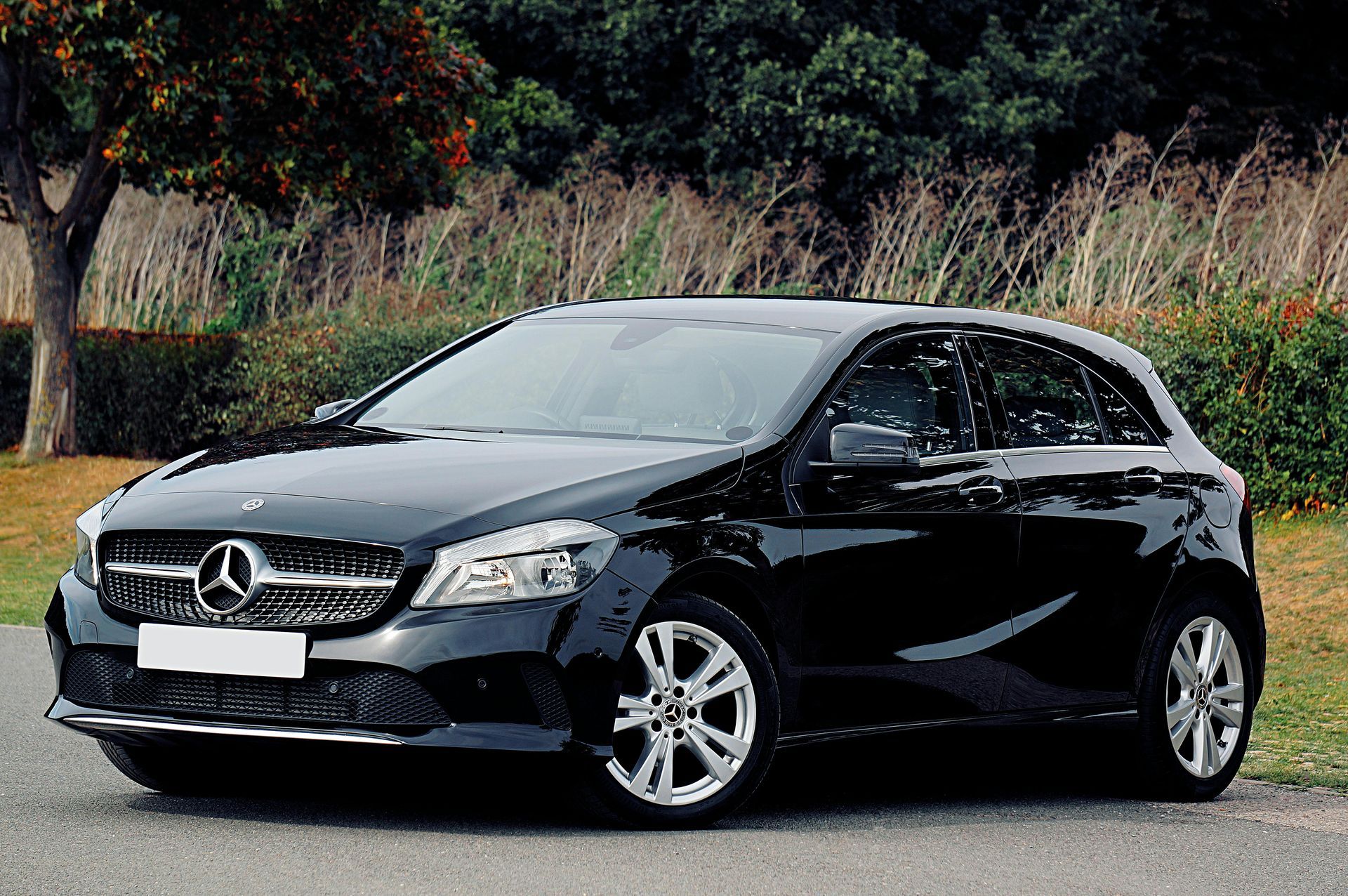
Do You Need a Special License to Drive a Limo When Starting a Black Car Business?
Starting a black car service requires proper licensing, and you need a special license to drive a limo commercially. Most states require either a chauffeur's license or Commercial Driver's License (CDL) with a passenger endorsement, depending on your vehicle's passenger capacity. The specific requirements change based on where you operate and what type of limousine you drive. For those looking to get started quickly, specialized training programs can help you navigate the complex licensing process while building essential business skills.
Key Takeaways
- Passenger capacity determines license type - Vehicles carrying 16 or more passengers require a CDL with passenger endorsement
- Chauffeur license mandatory in most states - Required for commercial passenger transport with a smaller vehicle
- Medical certification often required - DOT physical exams verify fitness for commercial driving
- Background checks are standard - Criminal history and driving record reviews protect passengers
- State regulations differ widely - Each state sets unique licensing requirements and fees
- Business licensing separate from driver permits - Companies need operating permits beyond individual qualifications
Commercial Driver Licensing for Limousines
Licensing requirements depend on your vehicle type and passenger capacity. The 16-passenger threshold creates two distinct categories:
- Large limousines (16+ passengers) - Require CDL with passenger endorsement regardless of vehicle weight or luxury feature
- Smaller limousines (under 16 passengers) - Need a chauffeur license for commercial operation in most states
This distinction affects your licensing costs, training time, and operational flexibility. Knowing which category applies to your intended fleet helps you plan the right licensing strategy.
CDL Classes and Requirements
Commercial Driver's Licenses fall into three classes based on vehicle specifications. Class C CDLs cover most passenger vehicles over the 16-person limit:
- Class A CDL - Combination vehicles weighing 26,001+ pounds with trailers over 10,000 pounds
- Class B CDL - Single vehicles weighing 26,001+ pounds or towing under 10,000 pounds
- Class C CDL - Vehicles for 16+ passengers or hazardous materials transport
Getting a passenger endorsement involves written knowledge tests and practical skills testing in passenger vehicles. First-time CDL applicants must complete Entry Level Driver Training (ELDT) through FMCSA-approved programs.
The ELDT requirement applies to initial CDL applications, class upgrades, and first-time passenger endorsements. Training covers vehicle operation, safety procedures, and passenger management techniques.
Chauffeur License Basics
Chauffeur licenses allow the commercial operation of smaller passenger vehicles. Common requirements include:
- Age requirements - Usually 21 years old minimum, though some states allow 18
- Clean driving record - No major violations or DUI convictions within specified timeframes
- Vision testing - Meet state vision standards for commercial driving
- Written examinations - Pass tests on traffic laws, safety procedures, and passenger regulations
States use different terms for commercial passenger licenses. Michigan calls them chauffeur licenses, while Indiana issues for-hire endorsements. The core requirements remain similar across jurisdictions.
State-by-State Licensing Differences
Licensing requirements vary dramatically between states. This creates challenges for multi-state operations but allows states to address local market conditions.
Regional Requirement Examples
Age and Experience Standards
- Massachusetts - Drivers must be 21+ for operating small limousines
- Indiana - Allows 18+ drivers with one year of valid license experience
- Washington - Requires 21+ age plus defensive driving course completion
Medical and Testing Requirements
- Washington State - Medical certificates required with two-year renewal periods
- New Jersey - Fingerprint background checks through state-approved vendors
- Tennessee - Class D license with for-hire endorsement for passenger transport
Business Operating Permits
Driver licensing represents just one part of legally operating limousines. Businesses need additional permits and registrations:
- New York City - Base licenses for dispatch operations plus individual vehicle licenses
- Miami-Dade County - For-hire licenses, Local Business Tax receipts, vehicle inspections, chauffeur registrations
- Palm Beach County - Minimum $250,000 commercial auto liability insurance plus business registration
These multi-layered requirements protect passengers and ensure regulatory compliance, but they create significant administrative burdens for new operators.
Insurance and Financial Requirements
Commercial limousine operations require insurance coverage far beyond personal vehicle policies. Understanding insurance requirements helps you budget accurately for startup costs.
Standard Insurance Requirements
- Commercial auto liability - Covers driver, passengers, and third-party damage during operations
- General business liability - Protects against non-vehicle-related claims and property damage
- Garage keeper's liability - Covers customer vehicles while in your custody or control
Florida sets specific minimum coverage levels: $125,000 per person for death or bodily injury, $250,000 per incident, and $50,000 for property damage. Many states require higher limits or allow insurance companies to set minimums above state requirements.
Annual insurance costs typically range from $5,000 to $30,000, depending on fleet size, vehicle values, coverage limits, and driving records. New operators often pay higher premiums until they establish a claims history.
Professional Training and Certification
Beyond basic licensing, specialized training programs help drivers excel in luxury transportation. These programs focus on customer service, vehicle handling, and safety procedures that distinguish premium services.
Business Education Programs
"How to launch black car service" course programs address the growing need for business education in luxury transportation. These courses typically cover:
- Licensing navigation - Step-by-step guidance through state and local permit requirements
- Fleet management - Vehicle acquisition, maintenance schedules, and replacement planning
- Customer service protocols - Standards for greeting, communication, and problem resolution
- Business development strategies - Marketing, pricing, and growth planning for executive transportation
Black car business course curricula often include regulatory compliance modules, insurance guidance, and market positioning strategies. Executive transportation startup training programs recognize that technical driving skills alone don't guarantee business success.
Black car service startup course content addresses common regulatory challenges and provides practical guidance for meeting state and local requirements. This education can reduce the time and complexity involved in launching compliant operations.
Professional Certification Benefits
Optional certification programs enhance driver qualifications and business credibility beyond mandatory licensing. Benefits include:
- Market differentiation - Certifications signal quality and professionalism to potential clients
- Higher rates - Certified drivers often command premium pricing for services
- Insurance discounts - Some carriers offer lower premiums for certified operators
- Corporate contracts - Many businesses prefer certified providers for employee transportation
Training providers like luxurytransportationacademy.com offer programs that combine licensing guidance with business development support, helping entrepreneurs establish operations while meeting regulatory requirements.
Licensing Costs and Timeline Planning
Understanding the financial and time investment required for proper licensing helps you plan realistic market entry strategies. Costs vary significantly between jurisdictions and license types.
Initial Licensing Expenses
Driver License Fees
- CDL fees - Range from $5 in Hawaii to several hundred dollars in other states
- Chauffeur licenses - Vary by state, typically $25-$200 depending on license duration
- Endorsement fees - Passenger endorsements add $10-$50 to base CDL costs
Additional Required Costs
- Medical examinations - DOT physicals cost $100-$300, required for most commercial drivers
- Background checks - Fingerprinting and criminal history reviews range $25-$75
- Training programs - ELDT courses cost $500-$2,000, depending on program length and provider
Business licensing adds separate costs. New York City charges $1,500 for three-year luxury limousine base licenses plus $75 fingerprinting fees for major stakeholders. Vehicle licenses cost additional fees per unit.
Ongoing Compliance Costs
Recurring Expenses
- License renewals - CDLs renew every 4-8 years, chauffeur licenses typically every 1-3 years
- Medical recertification - DOT physicals required every 1-2 years for commercial drivers
- Continuing education - Some states require periodic training updates for license maintenance
- Insurance premiums - Commercial policies require annual renewals with potential rate increases
Planning for these recurring costs during the business development phase prevents cash flow problems and ensures uninterrupted operations. Many operators underestimate ongoing compliance expenses when calculating startup budgets.
Common Licensing Mistakes to Avoid
New operators often make preventable licensing errors that result in delays, fines, or operational shutdowns. Understanding these common mistakes helps you avoid costly problems:
- Operating without proper permits - Some states allow grace periods, but most impose immediate fines for unlicensed operation
- Assuming reciprocity between states - Chauffeur licenses often don't transfer automatically across state lines
- Inadequate insurance coverage - Personal vehicle policies don't cover commercial passenger transport
- Ignoring vehicle inspection requirements - Many jurisdictions require annual safety inspections beyond standard emissions testing
- Skipping background check renewals - Some states require periodic background updates even with valid licenses
These mistakes often stem from incomplete research or relying on outdated information. Regulatory requirements change frequently, so staying current with local transportation authorities prevents compliance issues.
Airport and Special Venue Access
Many limousine businesses target airport transfers and special venue transportation, but these locations often require additional permits beyond standard licensing.
Airport Access Requirements
- Ground transportation permits - Most major airports require separate permits for commercial vehicle access
- Insurance minimums - Airport authorities often set higher insurance requirements than state minimums
- Background screening - Drivers may need additional security clearances for airport property access
- Vehicle specifications - Age limits, emission standards, and appearance requirements may exceed state regulations
Miami International Airport, for example, requires specific permits for limousine pickup operations. These permits involve separate application processes, fees, and ongoing compliance monitoring beyond state licensing requirements.
Hotel partnerships and special venue access often require proof of proper licensing and insurance before establishing pickup agreements. Wedding venues, conference centers, and corporate facilities may maintain approved vendor lists that require documentation of all permits and certifications.
Technology and Compliance Tracking
Modern limousine operations benefit from technology solutions that help maintain compliance with complex licensing requirements. These systems track license expiration dates, medical certificate renewals, and training completion schedules.
Compliance Management Features
- Automated renewal alerts - Systems notify operators 30-90 days before license expirations
- Document storage - Digital copies of licenses, insurance certificates, and inspection records
- Driver qualification tracking - Monitors background check status, medical certificate validity, and training completion
- Audit trail maintenance - Keeps detailed records for regulatory inspections and insurance reviews
These systems become particularly valuable as businesses grow and manage multiple drivers across different jurisdictions. Manual tracking becomes error-prone when dealing with varying renewal schedules and multi-state operations.
Frequently Asked Questions
What is the difference between a chauffeur license and a CDL for limousine drivers?
A chauffeur license covers vehicles carrying fewer than 16 passengers and focuses on commercial passenger transport regulations. A CDL with a passenger endorsement is federally required for vehicles designed to transport 16 or more passengers and involves more extensive testing and training.
Do I need special licensing to start a black car service with luxury sedans?
Yes, most states require either chauffeur licenses or for-hire endorsements for commercial passenger transportation, even with luxury sedans. The specific requirements vary by state, so checking local regulations is necessary before beginning operations.
How long does it take to obtain the necessary licenses for limousine driving?
The timeline varies by state and license type but typically ranges from several weeks to a few months. Factors affecting timeline include background check processing, medical examination scheduling, and training program completion requirements.
Can I operate a limousine business with just a regular driver's license?
No, commercial passenger transportation requires specialized licensing beyond regular driver's licenses in all states. Operating without proper licensing can result in fines, business closure, and legal liability issues.
Are there federal requirements that apply to all limousine operations?
Yes, vehicles designed to transport 16 or more passengers must comply with Federal Motor Carrier Safety Administration (FMCSA) regulations, including CDL requirements with passenger endorsements. Interstate operations may have additional federal compliance requirements regardless of vehicle size.
Final Thoughts
Launching a black car business requires thorough planning around licensing requirements that vary by location and vehicle type. The investment in proper licensing, training, and compliance forms the foundation for sustainable operations in the luxury transportation market. While the initial process may seem complex, working with experienced training providers can streamline the requirements and help you achieve compliance efficiently.
Get expert guidance on licensing requirements and business setup. Our comprehensive training programs help you navigate CDL requirements, permits, and compliance quickly.
References:
https://driving-tests.org/cdl-classification-licenses/